

In fine art nude photography, props are more than just accessories; they extend the human form and shape narrative, composition, and visual balance. Thoughtfully chosen objects can introduce contrast, depth, and sculptural elements, transforming an image into a dynamic interaction between body and environment.
Artists like Klaus Kampert show how props can guide movement, improve structure, and add conceptual weight to a composition. Whether using geometric shapes, textured surfaces, or simple objects that ground the figure, props act as storytelling tools, supporting the artistic vision behind the image.
Beyond Decoration: Props as Sculptural Extensions
One powerful way to use props is as sculptural additions to the model’s pose. Kampert often features blocks, cubes, and minimal structures that interact smoothly with the body. These objects create dynamic tension by framing or limiting movement while highlighting the anatomical beauty of the human form.
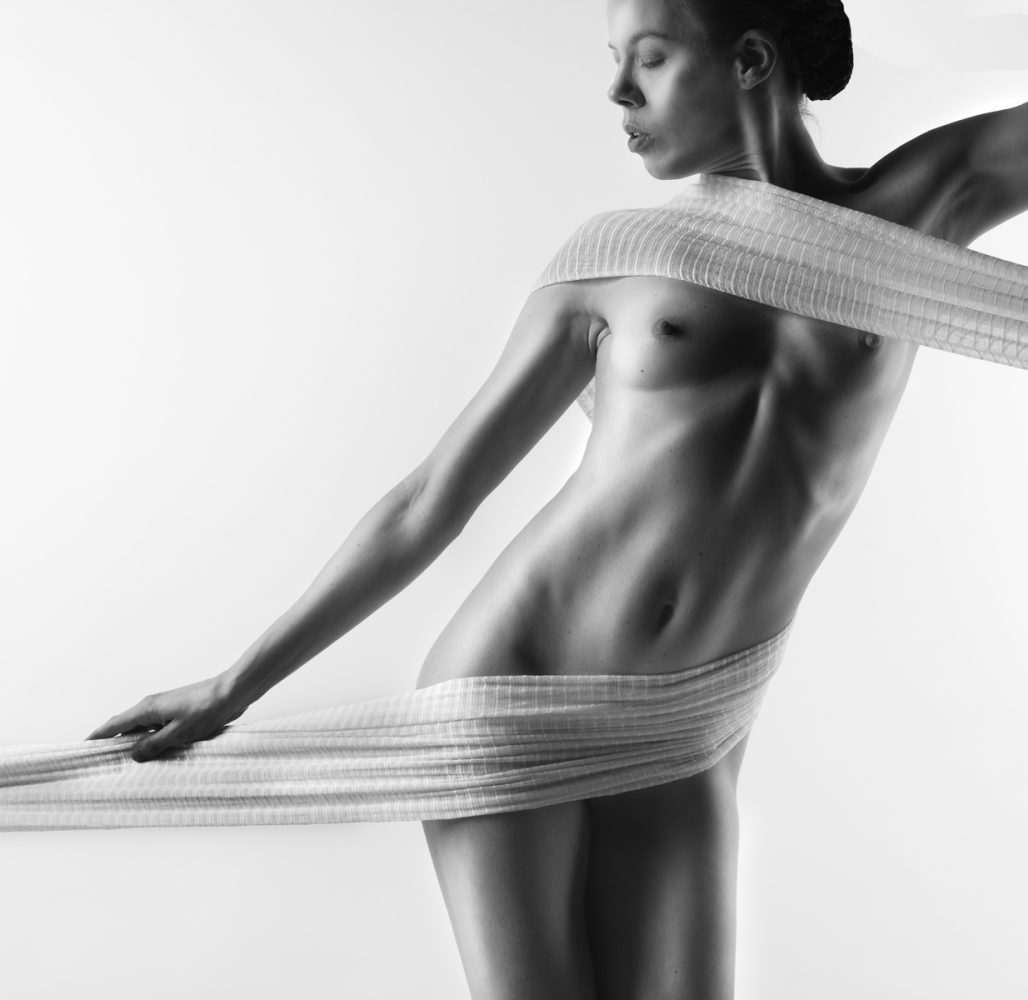
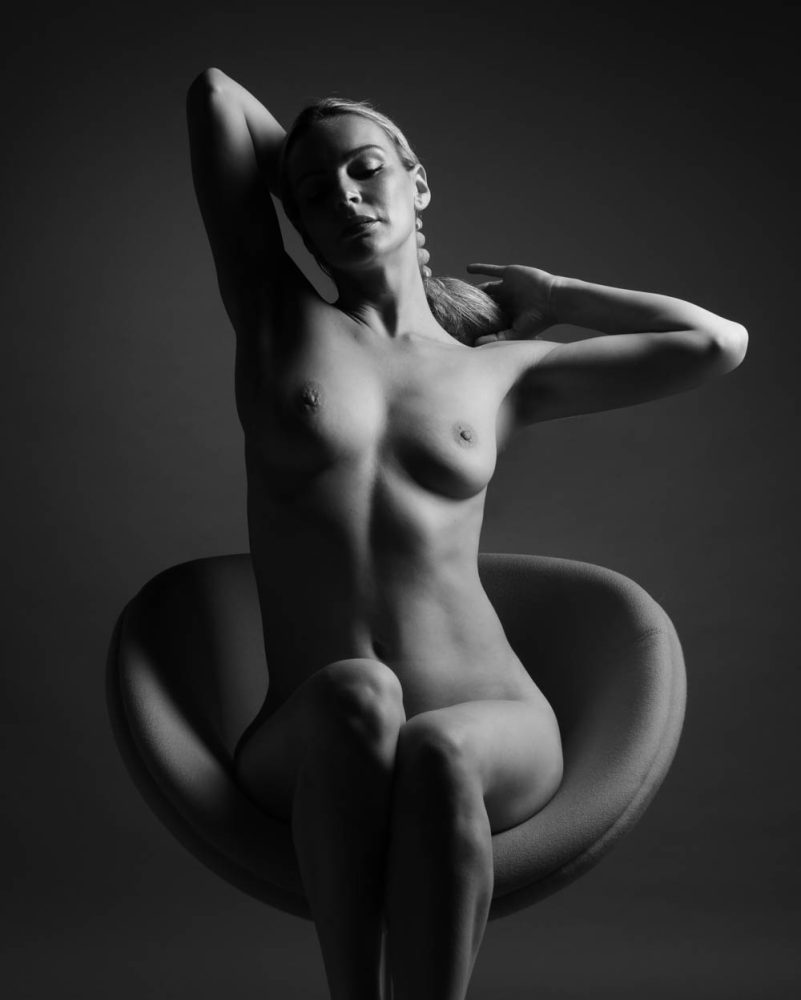

- Contrast in rigidity: A stiff prop against the fluidity of a model’s pose deepens the contrast between movement and stability.
- Shaping posture: Props can encourage unique positions, pushing the model to balance, lean, or stretch in ways that create new visual expressions.
- Directional framing: Carefully placed objects within the frame guide the eye through the composition, directing attention and strengthening the subject’s presence.
Props add new textures that enhance the emotional and tactile qualities of an image. Rough, industrial surfaces highlight strength and tension, while soft fabrics create a sense of intimacy and elegance. These materials interact with the body in unique ways, influencing how light and shadow outline the form.
Kampert often emphasizes how hard surfaces like stone, wood, or metal contrast with the soft smoothness of skin. This contrast boosts the sculptural effect, making the image feel immersive and multi-layered.
Props are not just visual elements; they also carry deeper meanings. A chair, a veil, or even a simple rope can represent themes of restriction, freedom, vulnerability, or empowerment.
By thoughtfully choosing props, photographers can weave richer narratives into their work. Kampert’s artistic choices often highlight the connection between space and body, reinforcing themes of movement and stillness. Props become part of the conversation between the subject and the setting, essential pieces rather than mere details.
As I continue to refine my approach, I draw inspiration from artists who use props to stretch artistic boundaries. Through sculptural forms, contrasting materials, or objects that influence movement, props allow for greater exploration of composition and meaning.