

Lighting is one of the strongest tools in photography. It defines mood, improves texture, and directs the viewer’s eye. In fine art nude and dance photography, lighting is essential for shaping the emotional impact of an image. This post discusses my approach to natural and studio lighting, the benefits of each, and how they influence the artistic narrative.

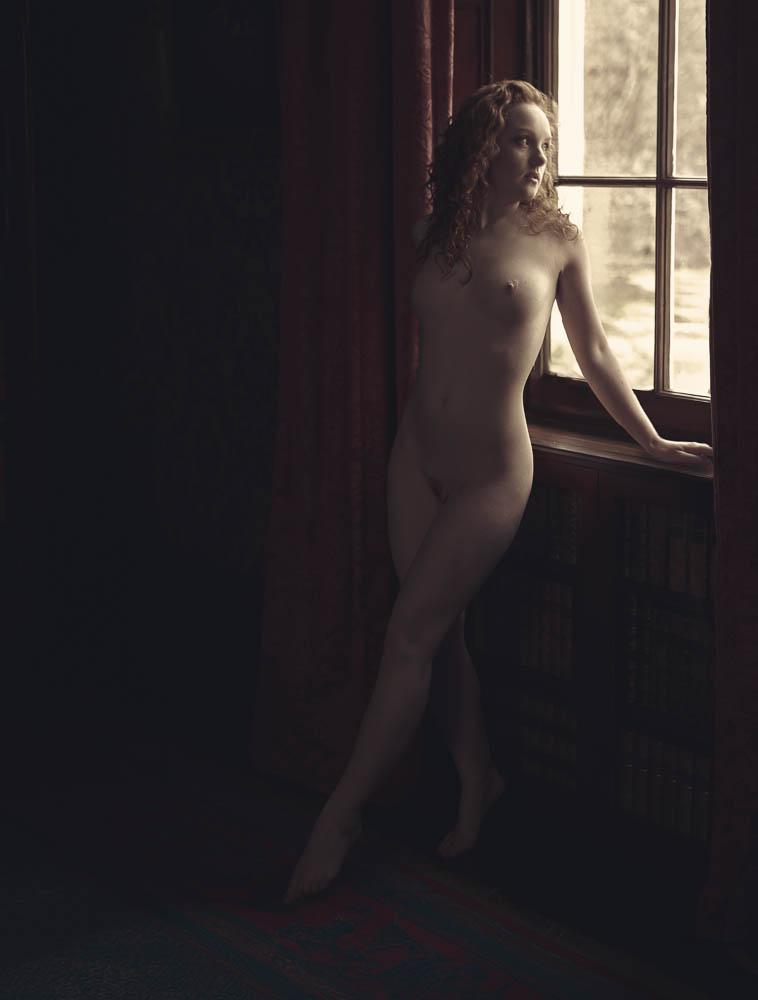
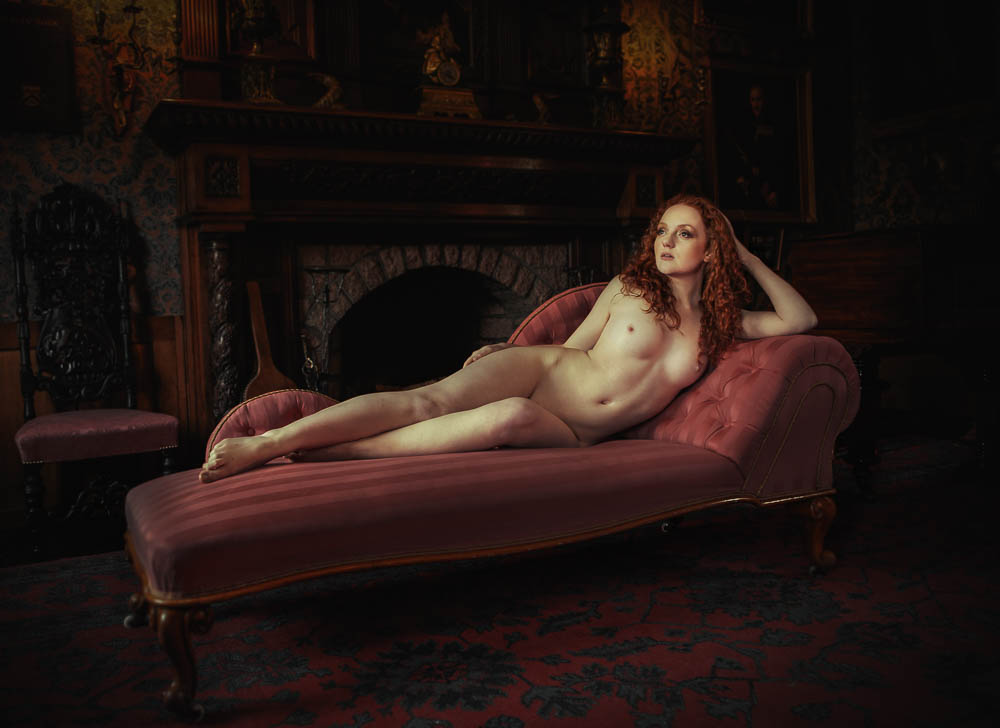
Natural light has a raw, organic quality that can’t be produced artificially. It changes throughout the day, creating various moods based on the time and weather. Some of my favorite natural lighting techniques include:
- Golden Hour Glow: Soft, warm light that enhances skin tones and creates a dreamy atmosphere.
- Overcast Diffusion: Cloudy skies act like a giant softbox, producing even, flattering light.
- Directional Window Light: Using light from a window to sculpt the body with highlights and shadows.
Natural light is great for capturing authenticity and subtle emotion, but it requires flexibility. You must work with changing conditions and make the most of what you have.
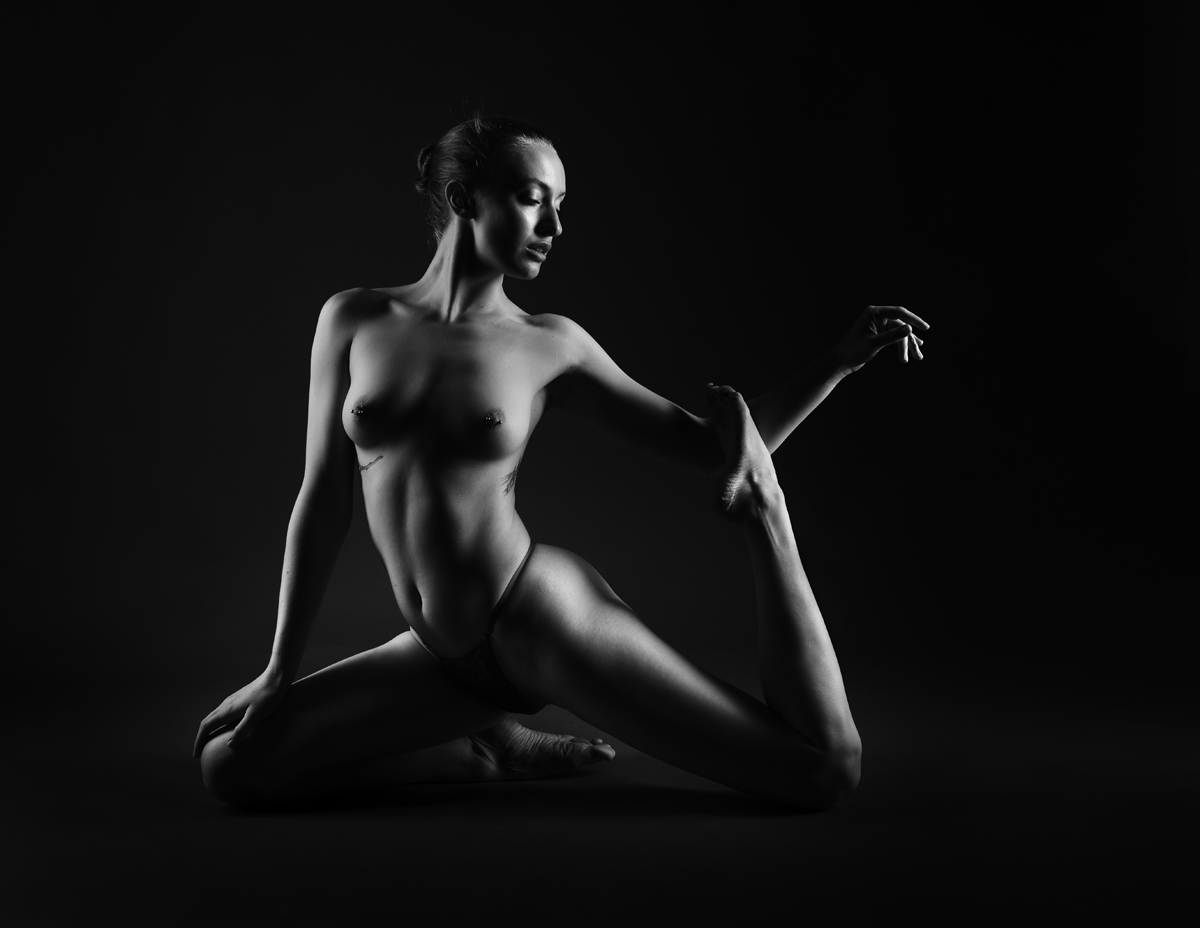
Studio lighting gives complete control over intensity, direction, and quality. It’s ideal for creating a specific mood or highlighting texture. Some techniques I use in the studio include:
- Softbox & Diffused Light: Creates gentle, flattering illumination with minimal harsh shadows.
- Hard Light & Dramatic Contrast: Adds depth and intensity, shaping the body with strong highlights and shadows.
- Colored Gels & Creative Effects: Introduces mood-enhancing colors to evoke emotion.
Studio lighting is crucial for consistency and precision. It allows me to shape the image exactly as I envision.
The choice between natural and studio lighting depends on the artistic goal. If I want a raw, organic feel, I prefer natural light. If I need precision and control, I choose studio lighting. Blending both techniques often leads to the most compelling results.