

Movement is one of the most powerful elements in photography. It conveys emotion, energy, and grace. In fine art nude and dance photography, motion turns the human form into something fluid and expressive. This post explores how I approach movement in my work, the techniques I use to capture it, and the artistic philosophy behind creating elegance in motion.

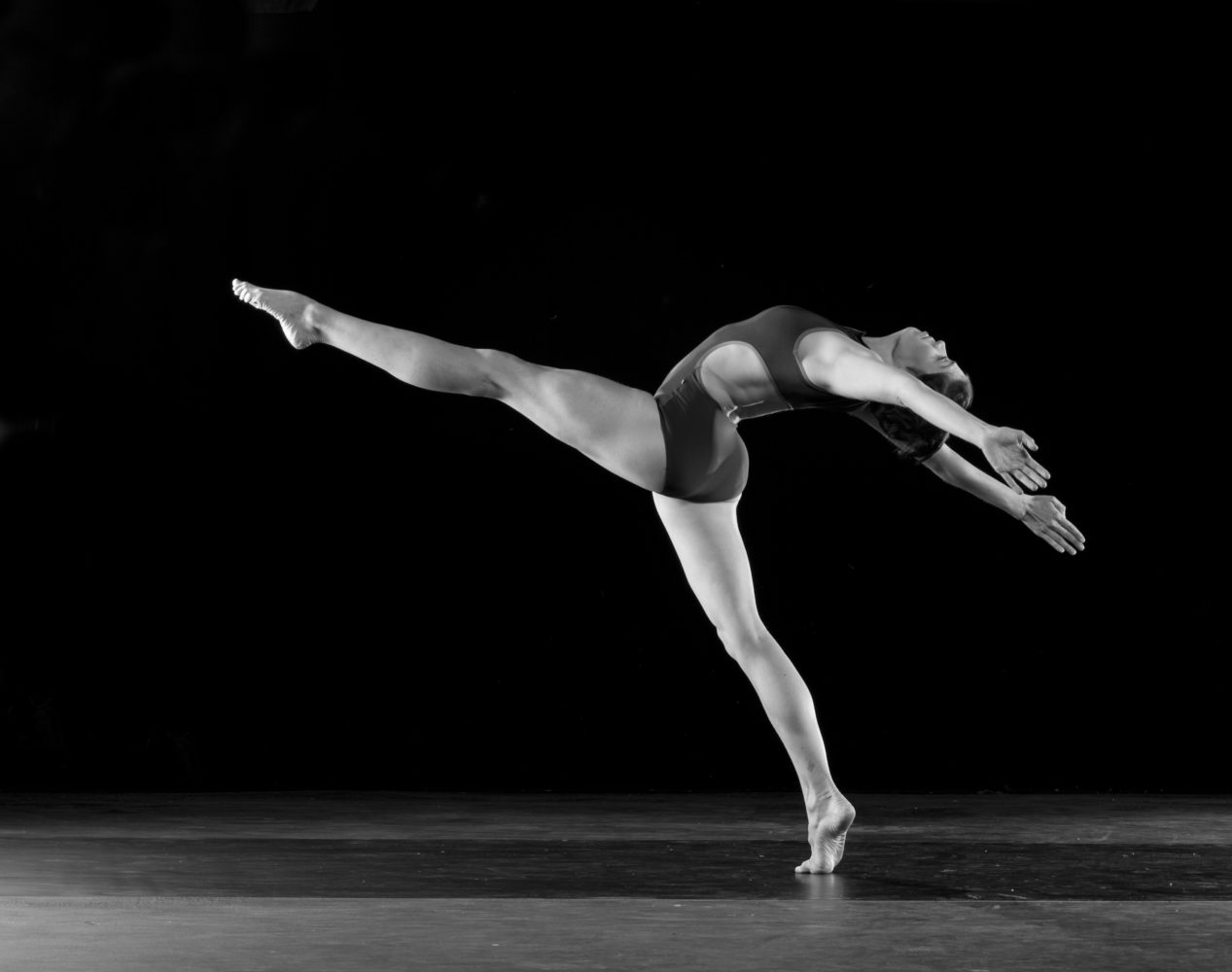

Unlike static portraiture, movement gives an image a dynamic quality. Whether it’s the sweeping arc of a dancer’s arm or the subtle shift in weight during a pose, motion adds life within the frame. For me, capturing movement means finding the balance between fluidity and structure. I allow the subject to move naturally while composing the shot to highlight the elegance of that motion.
Over time, I’ve refined several techniques to improve movement in my photography:
- Slow Shutter Speed: Using a slightly longer exposure to create a soft blur that emphasizes motion.
- High-Speed Capture: Freezing a moment mid-motion to showcase strength and precision.
- Directional Lighting: Using light to shape the body and enhance the sense of movement.
- Natural Flow vs. Posed Motion: Encouraging organic movement instead of rigid poses to create authenticity.
Each technique serves a different artistic purpose. Sometimes I want to capture the raw energy of a dancer in motion, while other times I aim for a more sculptural, refined composition.
Movement-based photography requires strong collaboration between the photographer and the subject. Whether working with dancers or models, I focus on guiding instead of directing. I let them move freely while adjusting my approach to match their natural rhythm. This process builds trust and results in images that feel effortless instead of staged.