

Texture is one of the most powerful, yet often overlooked, elements in fine art nude photography. It shapes emotion, directs perception, and turns the human form into something tactile; something the viewer can almost feel. Whether through fabric, rough surfaces, or the natural texture of skin itself, contrasting textures add depth and tell a story, boosting the sculptural qualities of an image.
The Dialogue Between Skin and Fabric
Fabric serves as a compelling tool for creating contrast with the smoothness of the body. Delicate materials like silk or chiffon suggest softness, flowing effortlessly to enhance the body’s curves. In contrast, coarse textures like lace, linen, or sheer gauze introduce tension, revealing and concealing at the same time.


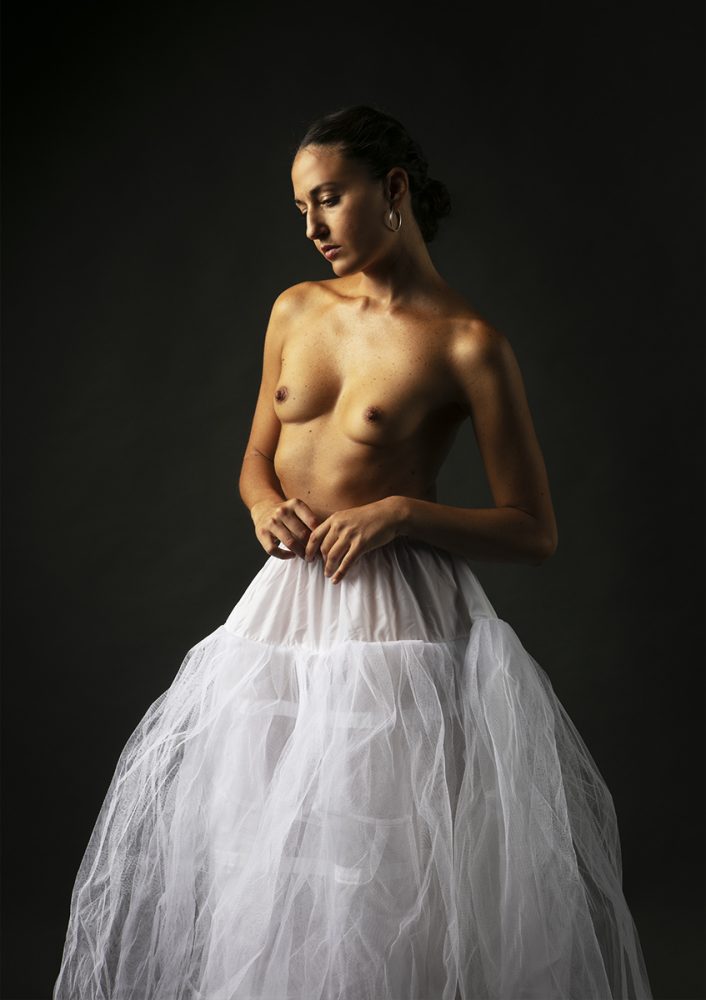
In my work, the interaction between draped fabric and the nude figure often creates a lively conversation. The white shirt in Draped in Light does more than act as an accessory; it changes how the subject is perceived, providing structure and contrast while maintaining a natural connection with the body.
Raw Surfaces: Stone, Wood, and Metal
Photographing the nude form against textured surfaces like rough stone, aged wood, or weathered metal creates a striking contrast; soft against hard, organic against industrial. These differences highlight the body’s fluidity and vulnerability while reinforcing its sculptural presence.
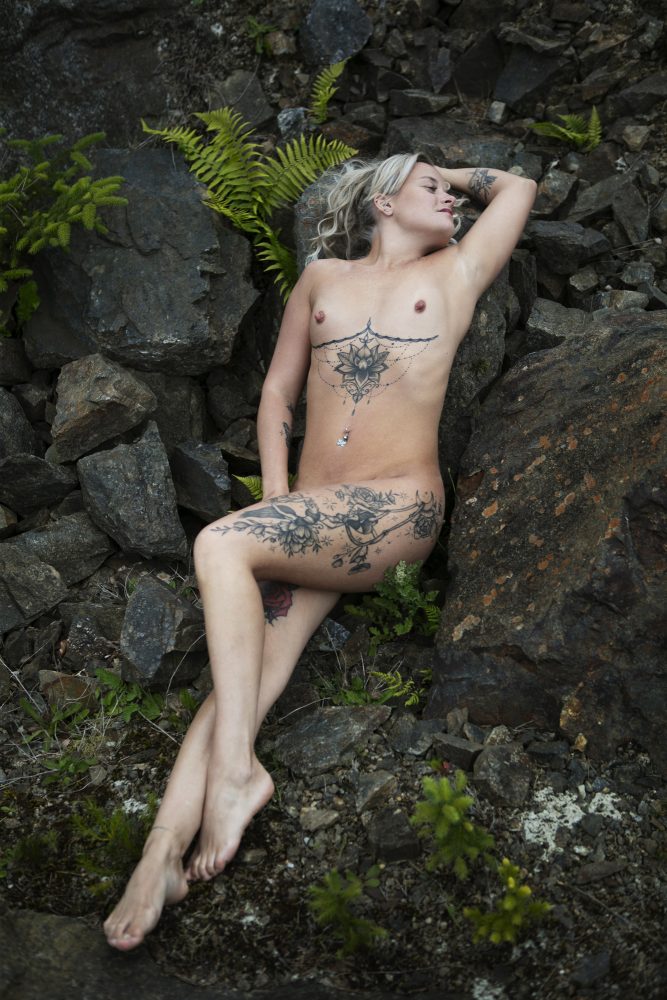

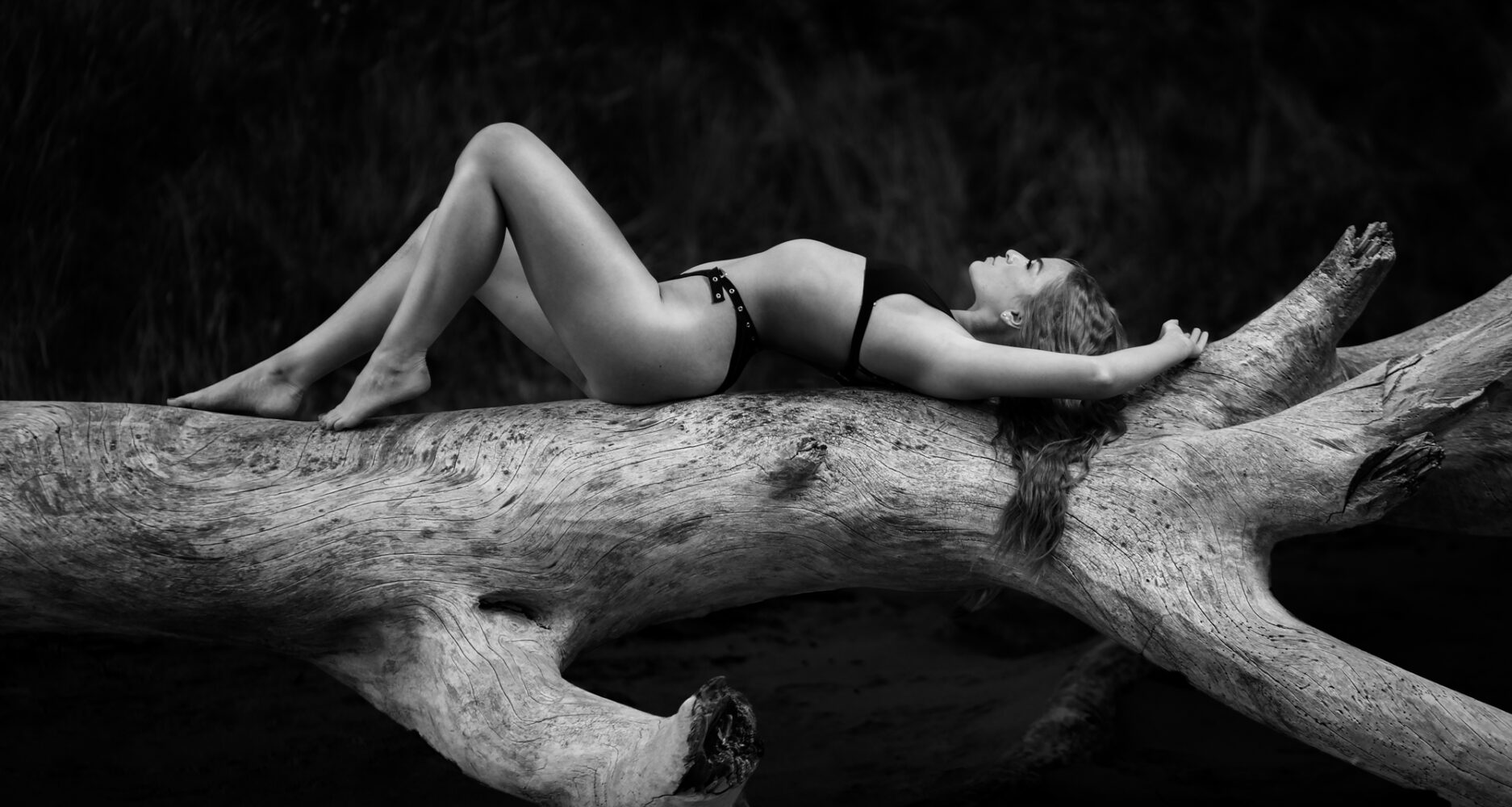
Projects like Rough Edges: A Study in Texture and Form examine how the body interacts with raw materials. They showcase how light interacts with these textures differently. The way skin absorbs or reflects light on these surfaces creates a new visual language, expressing resilience, timelessness, and a connection to nature.
Lighting’s Role in Texture Perception
Light also plays a crucial role in how we perceive texture. Hard lighting sharpens details, highlighting imperfections and emphasizing every contour, making the contrast between textures stand out more. Softer lighting, on the other hand, diffuses edges, blending fabric, skin, and surface into a cohesive image.
Natural light often enhances textures in subtle, organic ways; soft window light grazes the skin, revealing pores and natural flaws that bring the subject to life. Meanwhile, dramatic studio lighting can shape the scene’s texture, adding depth through controlled highlights and shadows.
Pushing Boundaries with Texture in My Work
Texture goes beyond being an aesthetic choice; it acts as a storytelling tool. Whether it’s the contrast of smooth and rough, light and dark, or fluid and rigid, texture shapes the emotional and conceptual impact of an image.
As I refine my projects, I find myself delving deeper into these explorations. How can unconventional materials push artistic boundaries further? How can light shape texture in unexpected ways? These questions inspire my creative process, leading me toward compositions that balance softness with strength and familiarity with intrigue.