

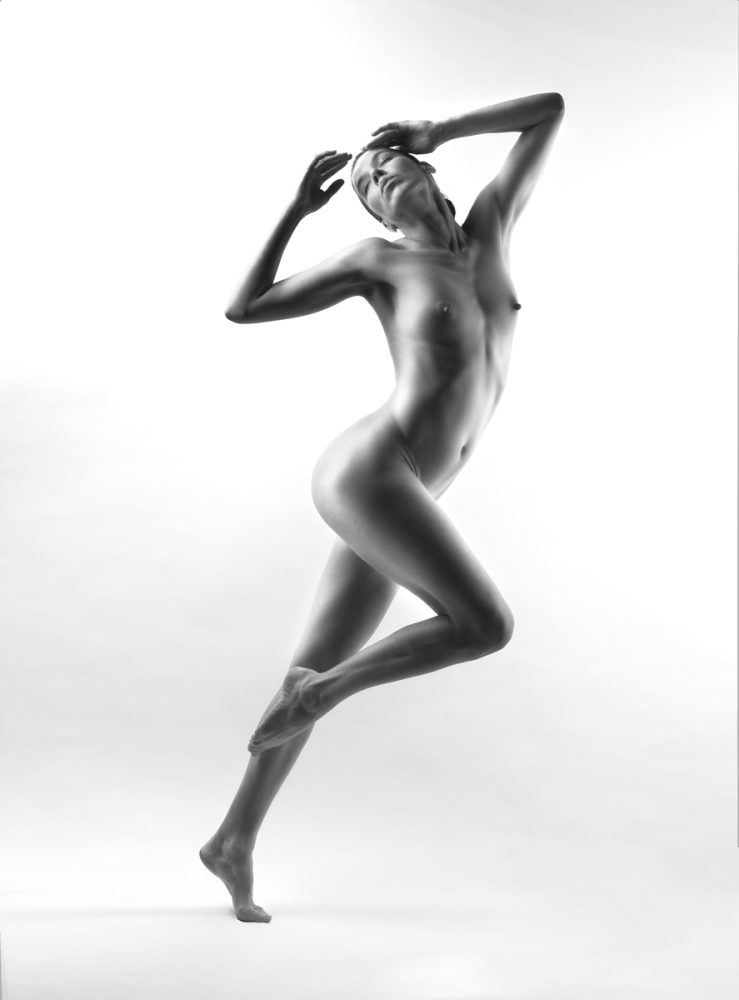
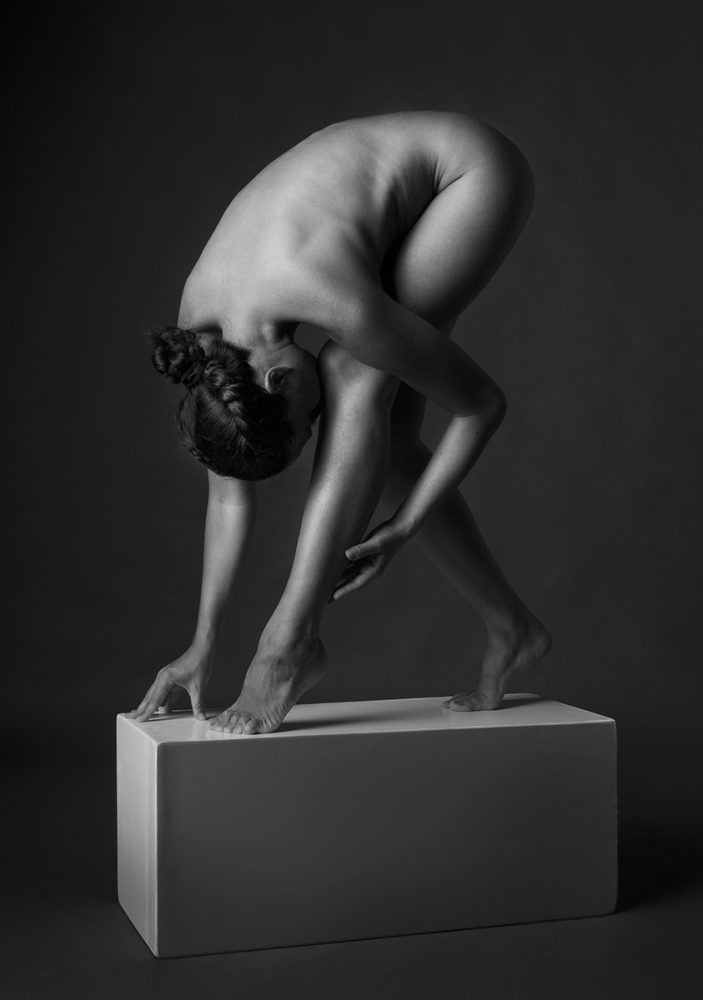
The human form has been the cornerstone of artistic expression throughout history, from ancient Greek sculptures to Renaissance masterpieces. In contemporary photography, the nude figure remains one of the most powerful yet controversial subjects, demanding that photographers navigate complex terrain where artistic integrity serves as both compass and foundation. This integrity—the unwavering commitment to genuine artistic purpose over commercial, exploitative, or sensational motivations—forms the essential backbone of ethical nude photography practice.

Artistic Integrity as the Foundation
Artistic integrity in nude photography represents more than technical competence or aesthetic sensibility; it embodies a photographer’s authentic commitment to exploring the human condition through honest artistic inquiry. This integrity manifests in every decision: from the initial concept through execution to final presentation. It requires photographers to examine their motivations critically, ensuring that their work stems from genuine artistic exploration rather than voyeuristic impulses or commercial opportunism.
True artistic integrity demands consistency between intent and execution. A photographer claiming to explore themes of vulnerability and strength must demonstrate this through compositional choices, lighting decisions, and collaborative approaches with subjects. The integrity becomes evident in how photographers handle power dynamics, respect boundaries, and maintain focus on artistic rather than exploitative elements.
This foundation of integrity also requires photographers to acknowledge their limitations and biases. Honest self-reflection about one’s motivations, cultural background, and potential blind spots strengthens artistic integrity and leads to more thoughtful, respectful work. It means recognizing when a project might benefit from different perspectives or when personal limitations might compromise the artistic vision.
Artistic Intent: Beyond Surface Aesthetics
Genuine artistic intent in nude photography transcends mere aesthetic appreciation of the human form. It involves purposeful exploration of deeper themes: identity, mortality, beauty standards, cultural attitudes toward the body, or the relationship between vulnerability and strength. This intent must be clearly articulated, not as post-hoc justification, but as the driving force behind creative decisions.
Artistic intent distinguishes meaningful work from images that merely capitalize on nudity for attention or commercial gain. When photographers approach the nude figure with specific conceptual goals—perhaps exploring aging, examining cultural beauty standards, or investigating the relationship between interior emotional states and physical expression—their work gains depth and legitimacy that purely aesthetic approaches often lack.
The development of artistic intent requires research, reflection, and often collaboration with subjects who become co-creators rather than mere models. This collaborative approach strengthens artistic integrity by ensuring that the photographer’s vision aligns with respectful treatment of subjects. It also often leads to more authentic and powerful artistic outcomes, as subjects contribute their own insights and experiences to the creative process.
Documenting and communicating artistic intent becomes crucial for audience understanding. Artist statements, exhibition notes, and contextual materials help viewers engage with the work on conceptual rather than purely visual levels. This communication serves both artistic and ethical purposes, guiding interpretation while demonstrating the photographer’s serious commitment to meaningful artistic exploration.
Respectful Representation: Dignity Within Artistic Vision
Respectful representation in nude photography requires photographers to see beyond the visual appeal of the unclothed human form to recognize and honor the full humanity of their subjects. This means approaching subjects as collaborators deserving of dignity, agency, and ongoing respect throughout and beyond the creative process.
Artistic integrity demands that respectful representation be woven into the fabric of the work rather than treated as an afterthought. This integration begins with subject selection and continues through every interaction. Photographers must consider how their choices in lighting, positioning, cropping, and post-processing either enhance or diminish their subjects’ dignity and agency.
Respectful representation also extends to diversity and inclusion. Artistic integrity requires photographers to examine whether their work contributes to broader cultural conversations about body acceptance, beauty standards, and human diversity. This doesn’t mean every photographer must address every demographic, but it does mean considering the cumulative impact of artistic choices on representation within the medium.
The concept of respectful representation evolves with cultural understanding and social awareness. Photographers committed to artistic integrity must remain open to learning and adapting their practices as conversations about consent, representation, and power dynamics continue to develop. This ongoing education strengthens both artistic practice and ethical foundation.
Furthermore, respectful representation requires considering the long-term implications of creating and sharing nude images. In our digital age, photographers must think beyond immediate artistic goals to consider how images might be interpreted, shared, or misused over time. This forward-thinking approach demonstrates both artistic integrity and genuine care for subjects’ ongoing well-being.
Context and Narrative: Framing Meaning and Understanding
Context and narrative provide the framework through which nude photography communicates its artistic intent and maintains its integrity. Without thoughtful contextual presentation, even the most well-intentioned artistic work can be misunderstood or misappropriated. The responsibility for creating and maintaining appropriate context rests firmly with the photographer as the primary author of the work.
Narrative construction in nude photography involves more than simply capturing aesthetically pleasing images. It requires photographers to consider how individual images relate to broader themes, how series of images build conceptual arguments, and how the overall body of work communicates intended meanings. This narrative coherence strengthens artistic integrity by demonstrating sustained commitment to conceptual exploration.
The physical and social contexts in which nude photography is presented significantly impact its reception and interpretation. Gallery spaces, online platforms, print publications, and academic settings all carry different connotations and expectations. Photographers with strong artistic integrity carefully consider these contexts, choosing presentation venues that support rather than undermine their artistic goals.
Educational context becomes particularly important for nude photography that challenges conventional attitudes or explores difficult themes. Providing viewers with historical, cultural, or theoretical frameworks helps ensure that work is understood within its intended artistic context rather than reduced to pure visual stimulation. This educational component demonstrates artistic integrity through the photographer’s willingness to engage seriously with their subject matter.
Digital platforms present unique contextual challenges for nude photography. Social media algorithms, content policies, and user behaviors can strip away carefully constructed contexts, reducing complex artistic work to decontextualized images. Photographers must navigate these challenges while maintaining their artistic integrity, often requiring creative approaches to context preservation and audience education.
Societal Perception Through the Lens of Integrity
When artistic integrity forms the foundation of nude photography practice, it provides a framework for addressing societal criticism and misunderstanding. Rather than becoming defensive about challenging reactions, photographers grounded in genuine artistic intent can engage productively with critics and skeptics, explaining their work’s deeper purposes and demonstrating their commitment to ethical practice.
Artistic integrity also provides resilience against commercial pressures that might compromise artistic vision. The art market, social media metrics, and popular trends can all pressure photographers to prioritize marketability over meaningful artistic exploration. A strong foundation of integrity helps photographers maintain focus on their authentic artistic goals rather than external validation or financial rewards.
The relationship between artistic integrity and public acceptance is complex and often involves educating audiences about the legitimate artistic traditions and contemporary relevance of nude photography. This education requires patience, clear communication, and demonstrated commitment to ethical practice over time.
Professional Standards and Community Responsibility
Artistic integrity in nude photography extends beyond individual practice to encompass community standards and collective responsibility. Professional organizations, educational institutions, and the broader artistic community all play roles in maintaining and promoting ethical standards grounded in genuine artistic purpose.
Mentorship and education become crucial for developing artistic integrity among emerging photographers. Experienced practitioners have responsibilities to share not only technical knowledge but also ethical frameworks and approaches to maintaining artistic integrity under various pressures and challenges.
Peer review and professional dialogue help maintain community standards and provide accountability for individual practitioners. This collective oversight strengthens the entire field by ensuring that artistic claims are supported by genuine artistic practice and ethical behavior.
Conclusion: Integrity as Compass and Foundation
Artistic integrity serves as both the foundation and guiding principle for ethical nude photography practice. It provides the framework within which artistic intent can be developed authentically, respectful representation can be maintained consistently, and meaningful context can be constructed thoughtfully. Without this foundation, nude photography risks becoming merely exploitative spectacle rather than meaningful artistic expression.
The challenges facing nude photography in contemporary society—from platform censorship to cultural sensitivity concerns—require responses grounded in demonstrated artistic integrity rather than defensive assertions of artistic freedom alone. When photographers can point to consistent patterns of ethical practice, clear artistic intent, respectful representation, and thoughtful contextual presentation, they establish credibility that extends beyond individual works to benefit the entire medium.
Moving forward, the field of nude photography will continue to evolve as technology, social attitudes, and cultural understanding develop. However, the fundamental requirement for artistic integrity remains constant. By maintaining this foundation, photographers ensure that their work contributes meaningfully to artistic discourse while respecting the dignity and humanity of all involved. This commitment to integrity ultimately strengthens both individual artistic practice and the broader cultural acceptance of nude photography as a legitimate and valuable form of artistic expression.