

Photography thrives on contrast, not just in light, but also in form, texture, and movement. Juxtaposition is one of the most powerful tools in composition. It adds tension, depth, and intrigue to an image. In fine art nude photography, the contrasts between soft and hard, dark and light, fluid and static can turn a simple composition into a compelling visual statement.
Soft vs. Hard: The Edge of Elegance
One of the most immediate contrasts in fine art nude photography is the mix of softness and hardness. The smooth curves of the human body against rough textures like stone, metal, or weathered surfaces create a striking dialogue between organic and rigid elements.
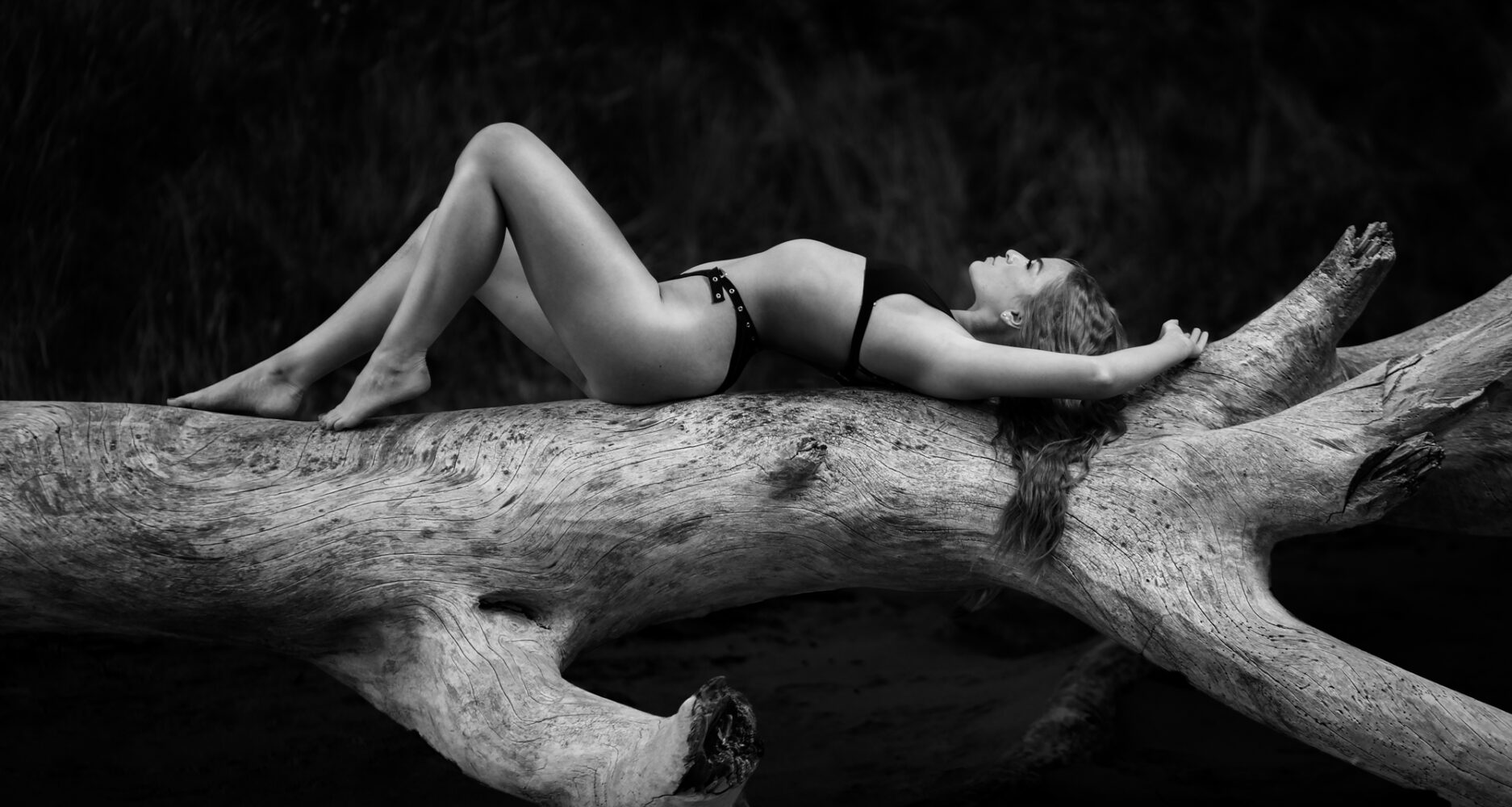

In my own work, I have explored how structural elements like kneeling chairs or angular props can frame and contrast the natural fluidity of the body. When paired with strong, defined poses, this contrast reinforces both strength and vulnerability. It challenges traditional views of form.
Dark vs. Light: Sculpting with Shadows
Light defines the essence of fine art photography. The contrast between darkness and light isn’t just about exposure; it’s about shaping emotion.
- High contrast lighting creates bold, dramatic compositions that emphasize structure and mood.
- Soft, diffused lighting allows shadows to softly mold the form, creating understated elegance.
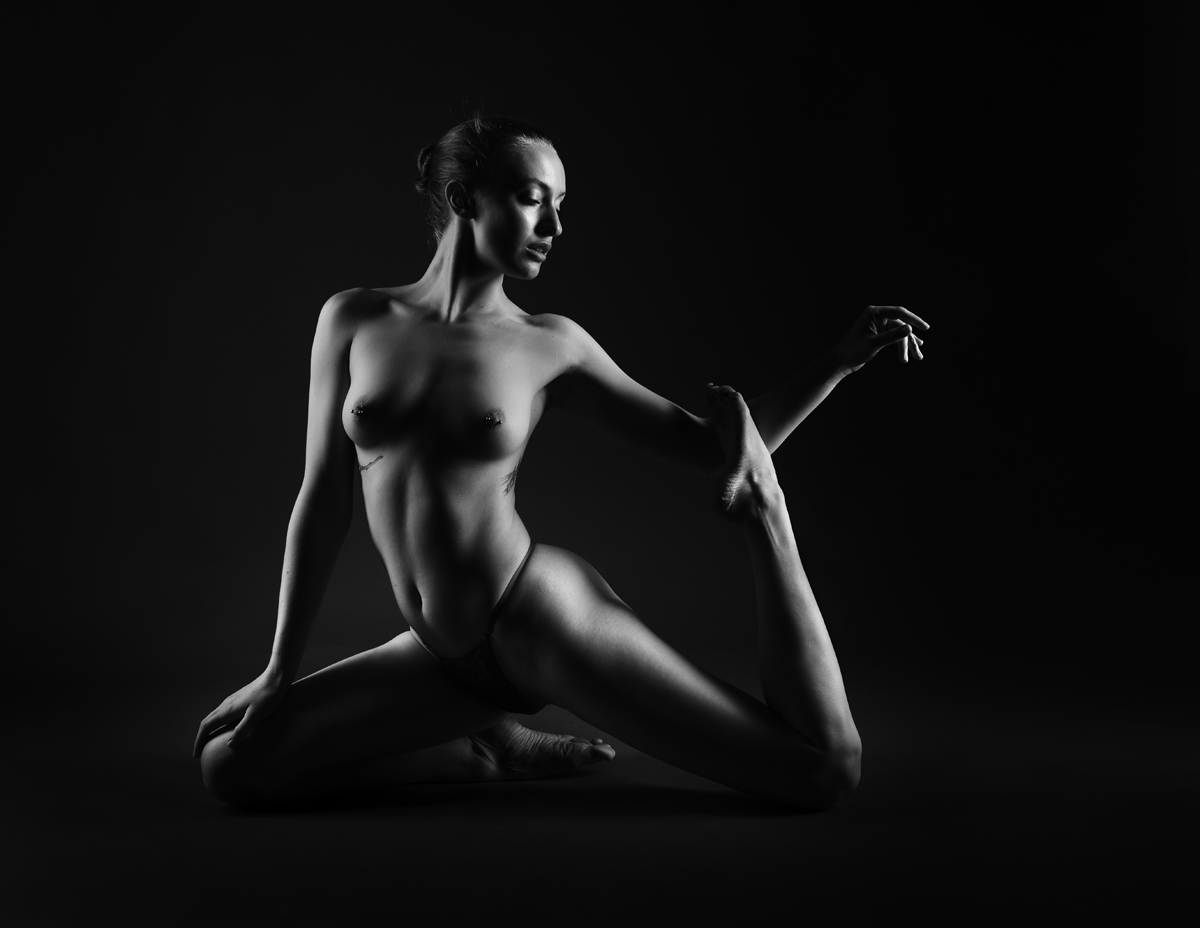
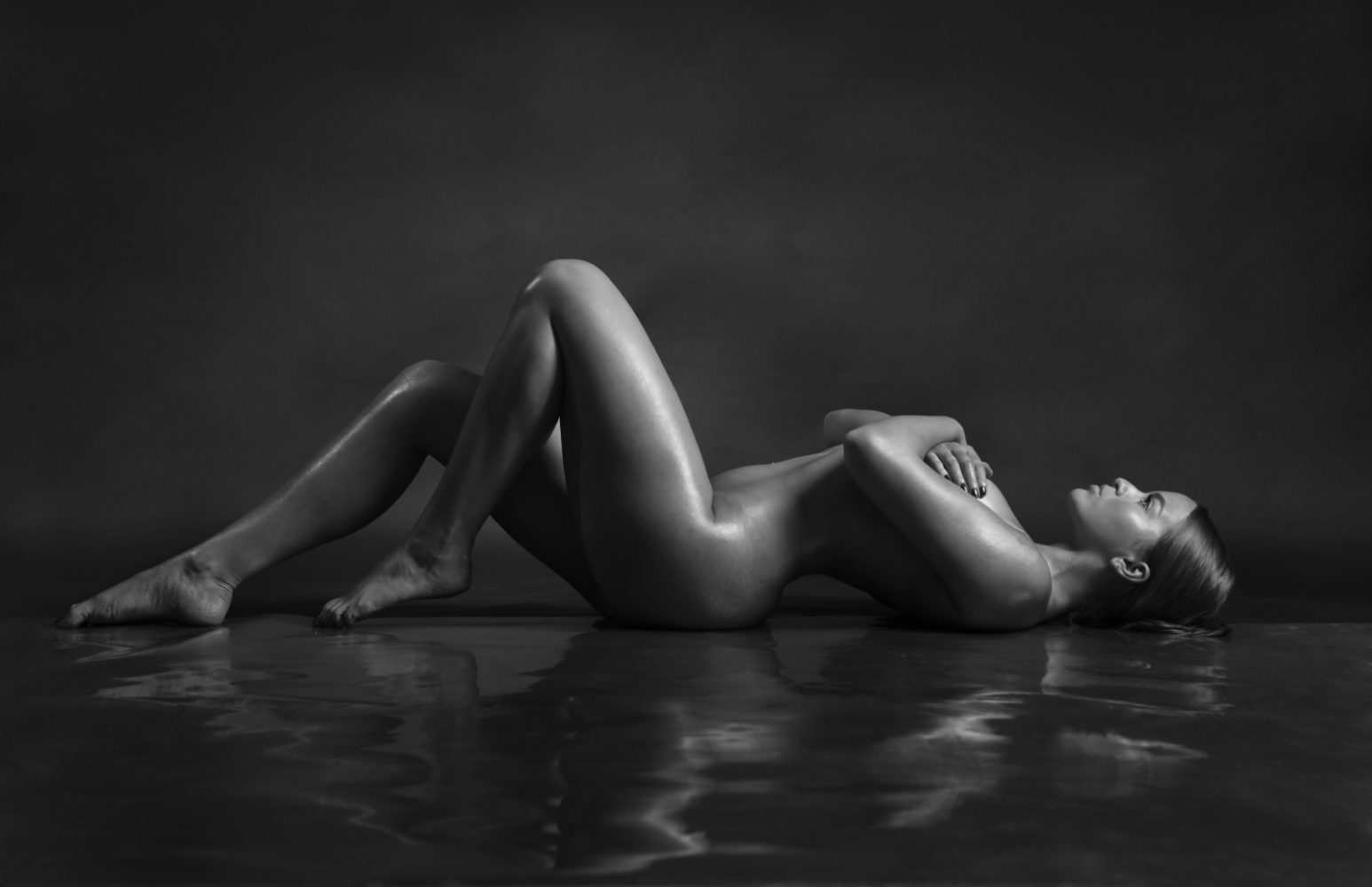
By experimenting with these approaches, an image can change dramatically in tone. One can convey mystery and intensity, while another evokes serenity and intimacy. Juxtaposing light within the frame, such as placing a brightly lit subject against a dark background, increases visual impact and guides the viewer’s eye with precision.
Fluid vs. Static: The Harmony of Motion
Movement plays an important role in contrast. A flowing gesture, like a sweep of the arms or the elongation of a leg, carries grace, while a firmly planted stance radiates tension and stillness.
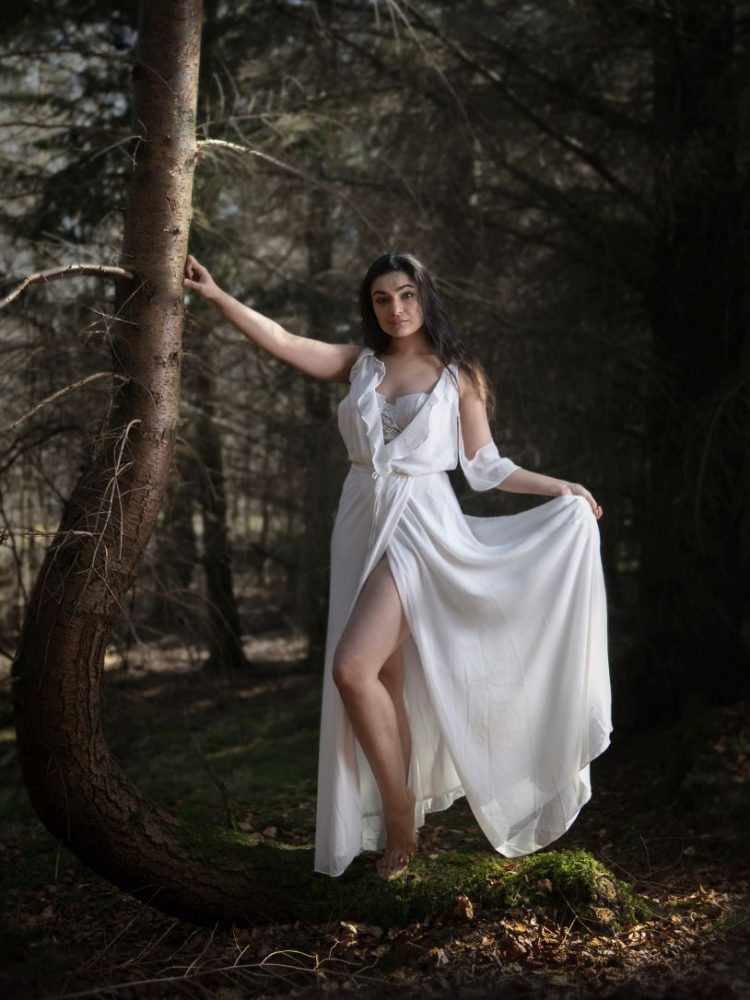

Photographers like Klaus Kampert and Rodislav Driben use this contrast skillfully, balancing dynamic motion with sculptural rigidity. In compositions where a model’s movement interacts with a structured prop, the fluidity of motion meets the weight of stability. This creates a dance between control and freedom.
Juxtaposition challenges artistic norms and encourages the viewer to see beyond a single narrative. In my work, I continue to refine how contrasting elements shape visual storytelling, whether through materials, lighting choices, or the dynamic between softness and angularity.
The presence of contrast invites complexity. It raises questions instead of providing answers. Ultimately, it supports the idea that fine art nude photography is not just about capturing the body; it’s about sculpting an experience. It creates an interplay of textures, tones, and movement that leaves a lasting impression.